Skip to content

Every year in late summer the phone at Optimum Pest Pros starts ringing with the same call. A homeowner in Pittsford noticed sluggish flies on a sunny window. Someone in Canandaigua found shield shaped bugs on the south wall. A family in Webster found lady beetles in a closet fixture. None has an infestation in the usual sense. They have the start of overwintering season.
Optimum Pest Pros is a family owned company based in Canandaigua that has served Rochester, Syracuse, and the Finger Lakes for more than ten years. Fall is the season where timing matters more than product, because the window to keep these insects out closes as soon as they are in. Here is how to tell the common invaders apart and where the honest line falls between homeowner work and licensed work.
What Overwintering Means in Upstate New York
Several insects in our region do not die off when the weather turns. They pass the winter dormant and need a protected, insulated place to do it. In a forest that is loose bark. In a Rochester neighborhood it is your wall void, attic, or the gap behind a soffit. They are not seeking your living space. They reach it by accident when a warm day pulls them toward light.
Why Late Summer Weather Sets the Timeline
The trigger is falling nighttime temperature combined with shortening daylight, which in the Finger Lakes usually lands in the second half of September. Lake effect moisture stretches the season on the back end. Warm October afternoons keep insects active on sun facing walls past the first frost, so homeowners often see a second and third wave.
Why Local Housing Stock Is Vulnerable
Much of the housing in Rochester, Irondequoit, and older Syracuse neighborhoods predates modern air sealing. Frames settle, siding opens at the corner boards, and older windows have worn glazing and weep holes that no longer seat. Utility penetrations are often sealed with caulk that failed years ago, and each is a doorway about the width of a credit card.
The Fall Invaders You Are Most Likely to See
Identification changes the response. Four of the five below never breed indoors, which means the population you see in January is the population that entered in October.
| Pest | What you notice first | Where it gathers | Breeds indoors? |
|---|---|---|---|
| Cluster fly | Slow, clumsy flies grouped on sunny upstairs windows | Attics and upper wall voids | No. Larvae develop in earthworms outdoors |
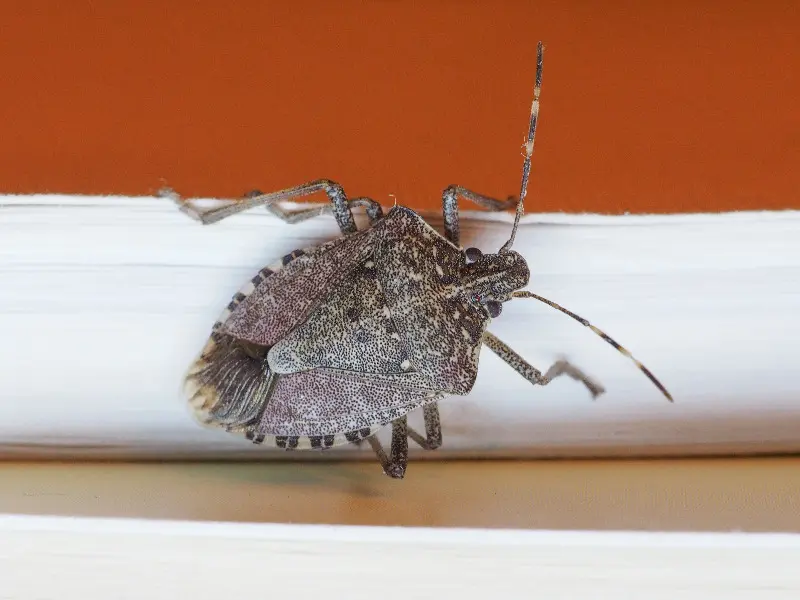
| Brown marmorated stink bug | Shield shaped, mottled brown, odor when crushed | South and west siding, then window frames | No. One generation per year here |
| Asian lady beetle | Orange domed beetles that stain walls and fabric | Attic peaks, light fixtures, window channels | No. Aggregates in the same structures yearly |
| Boxelder bug | Black with red or orange lines, clustered in the sun | Sunny walls near boxelder, maple, or ash | No. Overwinters as an adult |
| House and cellar spiders | Webbing in corners, basements, and window wells | Basements, sill plates, garages | Yes. Egg sacs are produced indoors |
Cluster Flies
Cluster flies are the most common fall complaint we handle in the Rochester suburbs and the most misunderstood. They are not house flies and have nothing to do with sanitation. The larvae parasitize earthworms, so a well kept lawn is more attractive, not less. Because they enter high, they are the hardest of this group to exclude later.
Brown Marmorated Stink Bugs
Stink bugs are strong fliers that mass on warm walls in the afternoon, then work into gaps behind trim and window frames. Crushing or vacuuming them releases the defensive odor, so a vacuum with a disposable bag removed immediately is the practical tool. Our stink bug service page has more.
Asian Lady Beetles and Boxelder Bugs
Both aggregate on sun warmed, light colored walls before entering. Asian lady beetles leave a yellow stain, which is defensive fluid rather than an injury, though they occasionally pinch. Boxelder bugs stay near host trees, so homes with mature boxelder, maple, or ash on the south side see the heaviest pressure.
Spiders
Spiders are the exception. They follow prey and moisture rather than dormancy. A basement with more webbing in October has more insects in October. Reducing the insect population reduces the spiders, which is why spider control and occasional invader work are handled as one problem.
A Decision Framework for Fall Pest Pressure
Not every sighting needs a service call. This is the framework our technicians use when a homeowner asks whether a problem is worth treating.
| What you are seeing | Reasonable to handle yourself | Worth a professional assessment |
|---|---|---|
| A few insects a week on one window | Vacuum, then repair that screen and weatherstrip | Only if counts climb week over week |
| Dozens on siding on warm afternoons | Note which walls and what time of day | Yes. This is the window for exterior work |
| Steady emergence from ceiling fixtures | Vacuum and seal fixture gaps from below | Yes. Almost always an attic or soffit entry |
| Webbing returning days after cleaning | Clear webs and address damp storage | Yes. Indicates an ongoing prey population |
| Insects appearing in midwinter | Vacuum as they emerge | Plan exterior work for next fall instead |
One rule holds across every row. Do not apply pesticide products yourself to solve a fall invader problem. In New York, pest control work performed for hire requires licensing through the Department of Environmental Conservation, because placement and timing determine whether an application does anything at all. Owner Jeff holds NYS DEC 7F licensed pest control operations, and treatment decisions follow the site inspection rather than a script.
The Exclusion Work That Matters Most
Exclusion is the part of fall pest control still paying off in year three. It is mostly carpentry and sealant, and it is the only approach that changes the outcome permanently. Work from the top down.
- Soffit and fascia joints, especially where a roofline changes pitch or meets a dormer
- Ridge and gable vents with damaged or missing screening
- Gaps where siding meets corner boards, window trim, and door casings
- Utility penetrations for cable, gas, dryer vents, and air conditioner line sets
- Window weep holes, worn glazing, and failed exterior caulk joints
- Attic hatch and whole house fan perimeters, sealed from the interior
- Sill plate and rim joist gaps in the basement, which drive most spider activity
Homeowners can reasonably handle caulking, screen repair, and door sweeps. Roofline work at height and an accurate read on where insects are actually entering is where a professional inspection earns its keep. Guessing at the entry point is why a weekend of sealing often produces no change.
What a Professional Fall Service Looks Like
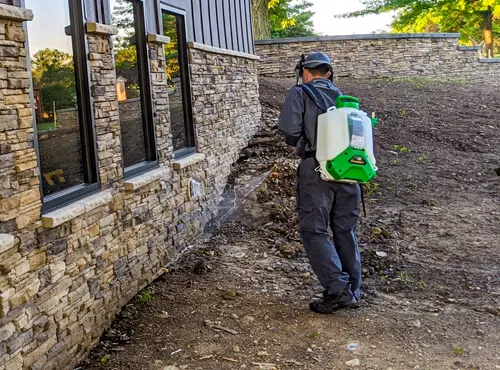
A fall visit from Optimum Pest Pros starts with a full exterior and interior inspection, not an immediate application. The technician maps sun exposure, identifies the species, and locates entry points matching that behavior. Cluster flies point the inspection upward. Spiders point it at the foundation and any moisture source. Our occasional invaders service covers the group as one category.
Treatment follows the inspection, and timing is the variable that matters most. Exterior work done before insects reach the wall void is far more effective than interior work done after they are established. That is the most useful thing a homeowner here can know about this season.
One Note on Bees and Wasps
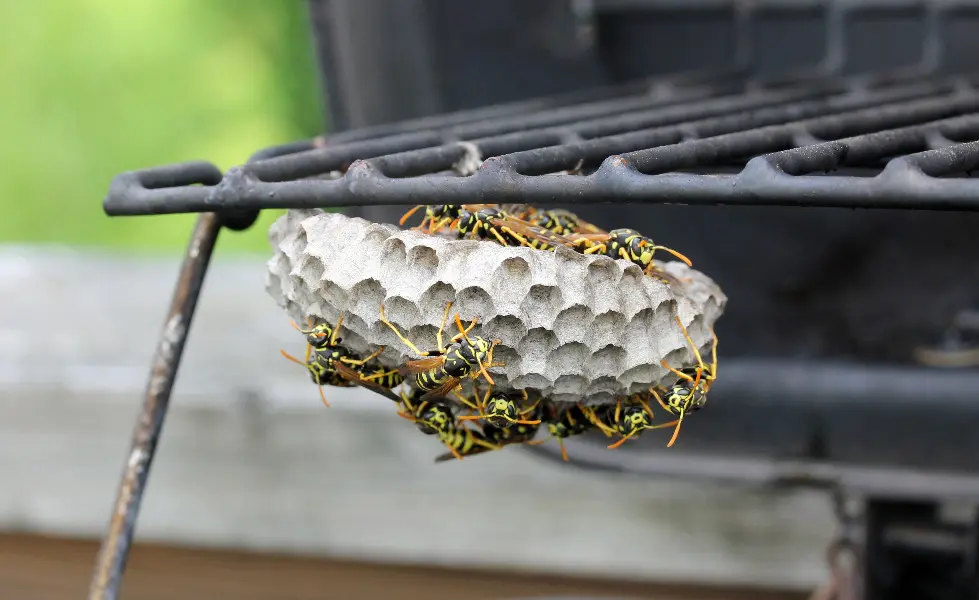
Fall is also when yellowjacket colonies peak and turn aggressive as food sources decline, so stinging insect calls overlap with invader calls through September. Honey bees are the exception. Optimum does not exterminate honey bee colonies. When a colony is identified as honey bees we point homeowners toward relocation by a beekeeper, which is what the beekeeper directory on our site is for.
Timing Your Service Across the Region
The practical calendar is short. Exterior exclusion should be scheduled from late August through the end of September for most of the Rochester and Canandaigua area, with Syracuse about a week behind. Once indoor activity is steady, this season becomes a management problem and next season becomes the fix.
If insects are already massing on your siding, that is the signal to schedule. Contact Optimum Pest Pros to set up a fall inspection for your home in Rochester, Syracuse, Canandaigua, or anywhere in our Finger Lakes service area.
Frequently Asked Questions
Q: When should fall pest control be done in the Rochester area?
A: Late August through the end of September is the productive window for most of greater Rochester and Canandaigua, with Syracuse and the eastern Finger Lakes slightly later. The goal is finishing exterior work before insects move into wall voids and attics. Work done afterward manages symptoms rather than solving entry.
Q: Do cluster flies and stink bugs reproduce inside my house?
A: No. Cluster fly larvae develop in earthworms outdoors, and brown marmorated stink bugs produce one generation per year in our climate. Asian lady beetles and boxelder bugs do not breed indoors either. The insects emerging in January entered the previous fall, which is why sealing entry points changes next year’s numbers most.
Q: Why do I keep seeing insects on warm winter days?
A: Overwintering insects sit dormant in wall voids and attics until a warm stretch or heat from the living space raises the temperature around them. They then move toward light, usually an upstairs window or ceiling fixture. This is normal and does not mean new insects are entering.
Q: Should I spray around my foundation myself?
A: We do not recommend it. In New York, pest control work performed for hire requires licensing through the Department of Environmental Conservation, because placement, timing, and site conditions decide whether an application works. A homeowner sealing gaps and repairing screens gets a better result from the same effort.
Q: Are Asian lady beetles harmful to people or pets?
A: They are a nuisance rather than a health threat. They can pinch, and they release a yellow defensive fluid that stains walls, drapes, and carpet, which is the complaint we hear most. They do not feed on the structure, carry disease, or infest food. The real concerns are staining and volume.
Q: What does fall pest control cost?
A: Pricing depends on the size and construction of the building, the species involved, and how much exclusion the property needs, so we quote after an inspection rather than over the phone. A ranch with intact soffits and a three story home with failed roofline sealing are different jobs.