Skip to content

A Finger Lakes summer is one of the best reasons to live here. Long evenings on the deck, weekends at the lake, kids running through the yard until the fireflies come out. The catch is that the same warm, humid, water-rich landscape that makes our region beautiful also makes it a stronghold for two of the most stubborn warm-weather pests: mosquitoes and ticks. If you have ever cut a cookout short because of biting mosquitoes, or spent a nervous ten minutes checking your child for ticks after a hike, you already know the problem.
At Optimum Pest Pros, owner Jeff and our team work with homeowners across Canandaigua, Rochester, Irondequoit, Pittsford, Greece, Webster, Fairport, Victor, Geneva, and the surrounding Finger Lakes communities. This guide explains why these pests thrive here, what you can realistically do to reduce them, and how to think about a professional yard program. Our goal is to help you make an informed decision, not to talk you into anything.
Why Mosquitoes and Ticks Love the Finger Lakes
Both pests are driven by the same regional conditions, which is why they so often show up together. Understanding the drivers helps you target the right fixes.
Water, Water Everywhere
Mosquitoes do not need much water to breed. A bottle cap of standing water is enough for some species to complete a life cycle. Our region is full of opportunities: lake and pond edges, Erie Canal corridors, low spots in the yard, clogged gutters, plant saucers, kiddie pools, tarps, and forgotten buckets. Communities along the water, such as Irondequoit on the Lake Ontario shoreline and the canal villages of Pittsford and Fairport, tend to feel mosquito pressure earlier and longer.
Humidity and Lake-Effect Moisture
The Finger Lakes climate holds moisture. Lake-effect humidity keeps lawns, leaf litter, and garden beds damp well into the evening. Mosquitoes rest in this cool, shaded vegetation during the day, and ticks depend on that same humidity to avoid drying out. A yard that stays damp under shrubs and along wood lines is a yard that supports both pests.
Tall Grass, Leaf Litter, and Woodland Edges
Ticks do not jump or fly. They climb onto the tips of grass and brush and wait for a host to brush past, a behavior called questing. That makes the boundary where your manicured lawn meets a wood line, stone wall, or overgrown fence row the single highest-risk zone in most Finger Lakes yards. Properties that border woods, fields, or agricultural land (common around Victor, Geneva, and the more rural edges of the region) often carry the heaviest tick burden.
The Health Reasons This Matters Locally
Mosquitoes and ticks are more than a nuisance in our area. The blacklegged tick, often called the deer tick, is established across upstate New York and is the species associated with Lyme disease. Ticks here can also carry other illnesses such as anaplasmosis and babesiosis. Mosquitoes in New York State are monitored for viruses including West Nile and Eastern equine encephalitis. We are not sharing this to alarm you. The point is simply that reducing exposure in your own backyard is a reasonable, worthwhile goal, especially if you have children, pets, or family members who spend a lot of time outdoors.
For specifics on local disease risk, testing a tick you have removed, or any medical question, your county health department and your physician are the right resources. Our role is to reduce the pest population around your home.
What You Can Do Yourself: Yard Habitat Reduction
A large share of mosquito and tick pressure comes down to habitat. Before you consider any treatment, these property changes deliver real, lasting reductions and cost little more than a weekend of effort. We encourage every customer to start here.
Eliminate Standing Water Weekly
Walk your property once a week, ideally after rain, and tip out or remove anything holding water. Common culprits include the following:
- Clogged gutters and downspout splash blocks
- Plant saucers, birdbaths, and pet water bowls (refresh every few days)
- Buckets, wheelbarrows, tarps, and recycling bins
- Kiddie pools, toys, and tire swings
- Low spots in the lawn that pool and stay wet
For water you cannot drain, such as ornamental ponds or rain barrels, keeping the water moving or screened helps, and a professional can advise on safe options.
Manage the Landscape
Mosquitoes rest in shade and ticks live at the lawn-to-woods edge, so landscaping is genuine pest control. Mow regularly and keep grass shorter near patios and play areas. Trim back shrubs and tall weeds to let in sun and airflow, which dries out resting spots. Rake and remove leaf litter, especially along fences and wood lines. Create a buffer of wood chips or gravel between the lawn and any woods or stone walls to discourage ticks from migrating into the yard.
Make the Yard Less Inviting to Wildlife
Ticks ride into yards on deer, mice, and other animals. Reducing what attracts that wildlife helps. Keep bird feeders away from play areas, secure trash, and consider fencing or plant choices that deer tend to avoid if deer are heavy in your neighborhood. Tidy woodpiles and reduce ground clutter where mice nest.
Personal Protection When You Are Outside
Habitat work lowers the population, but personal habits close the gap. Wear EPA-registered repellent, do tick checks after time in tall grass or woods, shower soon after coming inside, and run clothing through a hot dryer cycle to kill any hitchhiking ticks. Light-colored clothing makes ticks easier to spot.
Where Professional Treatment Fits In
Habitat reduction is the foundation, but it has limits. If you back up to woods, live near water, or simply want to actually use your yard during peak season, a professional program adds a layer of control that do-it-yourself steps cannot match. Here is how to think about it.
How a Seasonal Yard Program Works
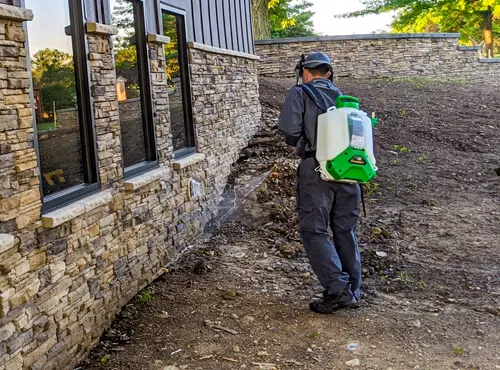
A professional mosquito and tick program is built around your specific property, not a one-size formula. It typically begins with an inspection to identify breeding sources, resting areas, and the high-risk edges where ticks congregate. From there, a licensed technician treats targeted zones such as shaded vegetation, shrub lines, and the lawn-to-woods boundary on a recurring schedule through the active season. Because mosquito and tick populations rebuild over the summer, recurring visits matter far more than a single application.
Optimum is a family-owned, NYS DEC 7F licensed pest control company with more than ten years of experience in the region. Treatments are applied by trained technicians who know where these pests hide in Finger Lakes properties. We do not publish flat prices for yard programs because the right plan depends on lot size, vegetation, water features, and how much wooded edge you have. A property-specific estimate comes after an inspection.
Vegetation Management as Part of the Plan
Because resting habitat drives both pests, managing dense vegetation is often part of a complete approach. Reducing the cool, damp harborage around the yard makes every other step more effective and can lower how much treatment a property needs over time.
A Note on Pollinators
Responsible mosquito and tick work is about precision, not blanketing your whole yard. We focus on the resting and questing zones where these pests actually live, and we avoid treating blooming plants that attract pollinators wherever possible. If you keep a garden or care about supporting bees, tell us. We share that priority, and if you ever have an established honeybee colony on your property, those are relocated by a beekeeper rather than exterminated.
When to Start and What to Expect This Summer
In the Finger Lakes, tick activity ramps up in spring and mosquitoes peak through the warm, humid stretch of June, July, and August. The best results come from starting before populations explode and staying consistent through the season. If you are reading this mid-summer with mosquitoes already biting, it is not too late: a program started now still meaningfully reduces pressure for the rest of the warm months.
Realistic expectations matter. No treatment makes a yard one hundred percent pest free, and no honest company will promise that. What a well-designed program and good habitat habits can do together is bring mosquito and tick numbers down to a level where you can comfortably use your own backyard again. That combination of property changes plus targeted, recurring professional treatment is what works in our region.
If you would like an inspection of your Canandaigua, Rochester, or greater Finger Lakes property, reach out to Optimum Pest Pros. We will walk the yard, point out the problem zones, and give you a clear, property-specific recommendation with no pressure.
Frequently Asked Questions
How do I get rid of mosquitoes in my Finger Lakes backyard?
Start by eliminating standing water weekly, since mosquitoes can breed in very small amounts of it, and keep grass and shrubs trimmed so there are fewer shaded resting spots. For lasting relief near water or wooded lots, a recurring seasonal yard program treats the specific zones where mosquitoes rest. The most effective approach combines both: habitat reduction plus targeted, professional treatment through the summer.
When does tick season start in the Rochester and Finger Lakes area?
Tick activity typically picks up in spring as temperatures warm and continues through summer and into fall. The blacklegged (deer) tick, which is linked to Lyme disease, is established across upstate New York. Because ticks live at the lawn-to-woods edge year round in suitable conditions, it is smart to take precautions any time you are in tall grass or near wood lines, not just in one peak month.
Are mosquito and tick yard treatments safe for kids and pets?
When applied by a licensed technician, treatments are targeted to the areas where these pests live and are used according to label directions. We recommend keeping children and pets off treated areas until the product has dried, and your technician will give you specific guidance for your property. As a NYS DEC 7F licensed company, Optimum applies products responsibly and focuses on the resting and questing zones rather than blanketing the whole yard.
Will pest control hurt bees and other pollinators?
Responsible mosquito and tick work is precise. We focus on shaded vegetation, shrub lines, and the lawn-to-woods edge where these pests rest, and we avoid treating blooming plants that attract pollinators wherever possible. If you keep a garden or care about bees, let us know so we can plan around it. If you have an established honeybee colony on your property, we arrange for relocation by a beekeeper rather than extermination.
How much does a mosquito and tick yard program cost?
Pricing depends on your lot size, how much vegetation and wooded edge you have, whether there are water features, and the level of pressure on the property. Because every yard is different, we do not quote a flat rate online. After a quick inspection we provide a clear, property-specific estimate so you know exactly what your plan covers before anything is scheduled.
Do I really need professional treatment, or can I handle it myself?
Many homeowners can meaningfully reduce pests on their own by removing standing water, mowing and trimming regularly, clearing leaf litter, and creating a buffer along wood lines. If those steps get you to a comfortable level, that may be all you need. Professional treatment makes the biggest difference for properties near water or woods, larger lots, or homeowners who want dependable relief during peak season. We are happy to tell you honestly which situation you are in after we see the yard.