Skip to content

When you hear scratching in the attic at night, discover a raccoon has torn apart your soffit, or find a bat circling your living room, the immediate instinct is to want the animal out of your home as quickly as possible. Wildlife intrusion is one of the most stressful home emergencies Rochester area homeowners face, and it requires a response that balances urgency with legal requirements, safety considerations, and long-term prevention.
This guide covers the most common wildlife intrusion species in the Rochester and Finger Lakes region, how to recognize the signs of wildlife activity before it becomes a full-blown emergency, what the professional removal process involves, and how to prevent future intrusions after the animals have been removed.
Common Wildlife Intrusion Species in the Rochester Area
The Rochester area’s combination of suburban neighborhoods with mature trees, proximity to rural and agricultural land, and the connected waterways of the Finger Lakes region creates ideal conditions for wildlife to coexist with residential development. The most common wildlife intrusion species that Rochester homeowners encounter are raccoons, squirrels, bats, skunks, and birds.
Raccoons
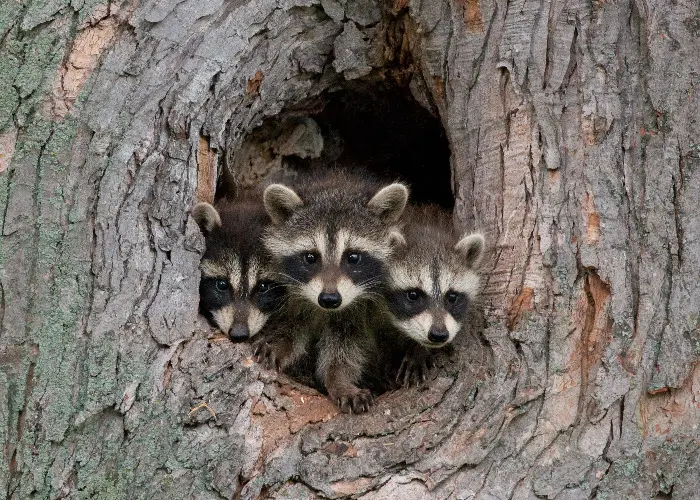
Raccoons are the most destructive wildlife intruders in the Rochester area. They are strong enough to tear apart fascia boards, rip off soffit panels, and peel back shingles to gain access to attic spaces. Once inside, raccoons establish latrines that contaminate insulation with feces and urine, creating health hazards and odor problems that persist long after the animals are removed. Raccoons are primarily active at night, and homeowners typically first notice their presence through heavy scratching, thumping, and vocal sounds in the attic during evening and early morning hours. Spring is the peak season for raccoon intrusions because females seek sheltered spaces to birth and raise their young, which are typically born in April and May.
Squirrels
Squirrels are the most frequent wildlife intruders in Rochester homes. Gray squirrels and red squirrels both commonly enter attics through gaps at the roofline, deteriorated fascia boards, and uncapped plumbing vents. Squirrels are active during the day, so homeowners often hear rapid scurrying and scratching sounds in the attic during morning and late afternoon. The primary concern with squirrel intrusions beyond the noise is their tendency to chew electrical wiring, which creates a genuine fire risk. Squirrel-gnawed wiring is a documented cause of attic fires, making prompt removal essential.
Bats
Bats are protected wildlife in New York State, and their removal is subject to specific legal requirements. The big brown bat and the little brown bat are the species most commonly found in Rochester homes. Bats enter through surprisingly small gaps, often as narrow as three-eighths of an inch, typically at the roofline, around chimney flashing, or through gaps in the siding. A single bat in the living space is usually a one-time event caused by a bat that has lost its way from a roosting colony in the attic. The presence of a colony, which can number from a handful to several hundred bats, requires a structured exclusion approach rather than simple removal. New York State prohibits bat exclusion during the maternity season from June 1 through July 31, when flightless pups would be trapped inside and die. Professional bat exclusion must be timed to comply with these regulations.
Skunks and Birds
Skunks typically do not enter the home itself but establish dens under porches, decks, sheds, and concrete stoops. Their presence is usually detected by odor before they are ever seen. Skunk removal involves humane trapping and relocation, followed by exclusion work to seal the access points that allowed them to establish a den.
Birds, particularly starlings and sparrows, nest in dryer vents, bathroom exhaust vents, and uncapped chimneys. Their nests can block ventilation pathways, create fire hazards in dryer vents, and introduce parasites like bird mites into the home. Removing bird nests from active dryer vents is a safety priority because a blocked dryer vent is a leading cause of residential dryer fires.
Signs of Wildlife Activity in Your Home
Recognizing the signs of wildlife activity early allows you to address the problem before the animals cause extensive damage or establish a breeding colony.
Sounds are the most common first indicator. Scratching, scurrying, thumping, or vocal sounds in the attic, walls, or crawl spaces suggest animal activity. Note when the sounds occur, as daytime sounds typically indicate squirrels while nighttime sounds suggest raccoons, bats, or mice.
Visual evidence includes droppings, nesting material, chewed wood or wiring, disturbed insulation, and grease marks along entry points. Raccoon droppings are large and often found in concentrated latrine areas. Squirrel droppings are small pellets scattered along travel routes. Bat droppings, called guano, accumulate below roosting areas and have a distinctive sparkly appearance due to insect wing fragments.
Exterior evidence includes torn or displaced soffit panels, chewed fascia boards, damaged roof vents, and visible entry holes at the roofline or foundation. Staining or discoloration around a small gap may indicate a bat entry point, as the oils from bat fur leave a brown residue over time.
The Professional Wildlife Removal Process
Professional wildlife removal follows a structured process that addresses the immediate intrusion, ensures all animals are removed, and prevents future entry.
The first step is a thorough inspection of the property to identify the species involved, locate all entry points, assess the extent of the infestation, and evaluate any damage caused by the animals. This inspection should cover the entire exterior of the home, including the roofline, soffits, fascia, foundation, vents, and chimney, because wildlife often have multiple entry and exit points.
Removal methods vary by species. Raccoons and skunks are typically removed using humane traps. Squirrels may be trapped or excluded using one-way exit devices that allow animals to leave but prevent reentry. Bats are excluded using one-way exclusion devices installed over their entry points, which is the only legal and effective method for bat colony removal in New York State.
After all animals have been removed or excluded, the critical next step is sealing every entry point to prevent future intrusions. This exclusion work is the most important part of the process because removing animals without sealing entry points simply creates an opportunity for the next animal to move in. Professional exclusion involves closing gaps with materials that are appropriate for the species, such as galvanized steel mesh for raccoon and squirrel exclusion or caulk and fine mesh for bat exclusion.
Cleanup and restoration after wildlife removal may include removing contaminated insulation, sanitizing affected areas, repairing structural damage, and replacing chewed wiring. For raccoon latrines and bat guano accumulations, professional cleanup is recommended due to the health risks associated with raccoon roundworm and histoplasmosis.
Wildlife Removal Costs in the Rochester Area
Understanding the cost factors involved in wildlife removal helps homeowners budget appropriately for the service. Wildlife removal is not a single-price service because every situation involves different species, different levels of damage, different numbers of entry points, and different cleanup requirements.
The initial inspection and assessment typically costs $75 to $150 and includes a thorough evaluation of the property, identification of the species, and a detailed proposal for removal, exclusion, and any necessary cleanup. Many companies, including Optimum, apply this fee toward the total project cost if you proceed with the work.
Trapping and removal costs vary by species and the number of animals involved. A single raccoon removal from an accessible attic space may cost $200 to $400. A squirrel exclusion with one-way devices and entry point sealing typically costs $300 to $600. Bat exclusion from a colony, which involves installing one-way devices on multiple entry points and then sealing all gaps after the bats have departed, can cost $500 to $2,500 depending on the colony size and the number of entry points.
The exclusion work, which involves sealing all entry points after removal, is often the most important and most expensive part of the process. Materials like galvanized steel mesh, heavy-gauge hardware cloth, and commercial-grade caulk are used to create barriers that animals cannot chew, claw, or push through. Comprehensive exclusion for a home with multiple vulnerabilities can cost $500 to $1,500 or more, but it is a one-time investment that prevents the recurring cost and aggravation of repeated wildlife intrusions.
Cleanup and restoration costs depend on the extent of contamination. Removing soiled insulation, sanitizing affected areas, and replacing insulation in a raccoon-contaminated attic can cost $1,000 to $5,000 depending on the area involved. These costs are in addition to the removal and exclusion work but are essential for eliminating health hazards and odor.
Homeowners insurance may cover some wildlife damage, particularly structural damage caused by animals. However, most policies do not cover the cost of removal, exclusion, or cleanup. Check your policy for specific wildlife-related coverage before assuming the work is covered.
Rochester’s Housing Stock and Wildlife Vulnerability
The Rochester area’s older housing stock, with homes built primarily between the 1940s and 1970s, creates more wildlife entry opportunities than newer construction. Aging soffits, deteriorated fascia boards, gaps at the roof-wall junction, and uncapped vents are common in these homes and provide easy access for wildlife. A proactive wildlife exclusion inspection, performed before animals find these vulnerabilities, is the most cost-effective approach to wildlife management.
Prevention and Seasonal Timing
Seasonal timing is important for prevention. The best time to perform exclusion work is late fall, after summer wildlife has moved out and before winter species seek shelter. However, exclusion can be performed any time of year as long as the timing complies with species-specific regulations, particularly the bat maternity season restrictions from June through July.
Licensed Wildlife Removal for the Finger Lakes Region
Optimum Pest Pros serves the greater Rochester and Finger Lakes region from its base in Canandaigua. Owner Jeff brings over 10 years of commercial pest experience and holds a 7F commercial pest control license from the New York State Department of Environmental Conservation, along with AIB, SQF Level 3, and USDA certifications that reflect a depth of pest management training that extends well beyond basic wildlife removal.
The month-to-month contract model that Optimum operates on is a significant trust signal for homeowners who are wary of long-term commitments to pest control companies. You pay for the service you receive without being locked into a multi-year contract, and the quality of the work is what earns your continued business.
Optimum Pest Pros provides comprehensive wildlife removal, exclusion, and prevention services backed by over a decade of commercial and residential pest management experience. For homeowners in Canandaigua, Rochester, Pittsford, Victor, Webster, Fairport, and throughout the Finger Lakes region dealing with wildlife intrusion or looking to prevent it, contact Optimum Pest Pros for a property evaluation. Addressing wildlife activity early, before animals establish breeding colonies and cause extensive damage, is always the most cost-effective approach.
Frequently Asked Questions
Q: How much does wildlife removal cost in Rochester?
A: Wildlife removal costs in the Rochester area vary based on the species, the number of entry points, the extent of the infestation, and whether cleanup and exclusion work are included. Contact Optimum Pest Pros for a property evaluation and detailed estimate specific to your situation.
Q: Is it legal to trap and relocate wildlife in New York?
A: New York State has specific regulations governing wildlife trapping, handling, and relocation. Some species require permits for trapping. Bats are protected during the maternity season from June 1 through July 31. Professional wildlife removal companies are licensed and familiar with the current regulations. Attempting to trap and relocate wildlife without proper knowledge of the regulations can result in fines.
Q: How do I know if I have raccoons or squirrels in my attic?
A: The timing of the sounds is the best initial indicator. Squirrels are active during the day, particularly in the morning and late afternoon. Raccoons are primarily active at night. Raccoon sounds tend to be heavier, with thumping and vocal noises, while squirrel sounds are lighter and faster. A professional inspection can confirm the species and identify all entry points.
Q: Can wildlife in my attic cause a fire?
A: Yes. Squirrels are notorious for chewing electrical wiring in attics, which can strip the insulation from wires and create conditions for an electrical fire. Bird nests in dryer vents can block airflow and cause the dryer to overheat. Any wildlife intrusion that involves chewing on wiring or blocking ventilation pathways should be addressed promptly.
Q: When is the best time to exclude bats from my home?
A: The best time for bat exclusion in New York is late summer through early fall, typically August through October, after the maternity season ends on July 31 and before bats enter hibernation. Excluding bats during the maternity season is illegal because it traps flightless pups inside, and winter exclusion is ineffective because hibernating bats will not leave through one-way devices.
Q: How do I prevent wildlife from getting into my home?
A: Prevention involves sealing potential entry points before animals find them. Inspect and repair gaps in soffits, fascia, and roofline. Cap all chimney flues and plumbing vents with appropriate screening. Ensure dryer and bathroom exhaust vents have functional dampers. Trim tree branches that overhang the roof within 6 to 8 feet of the structure. A professional wildlife exclusion inspection can identify vulnerabilities that homeowners commonly miss.